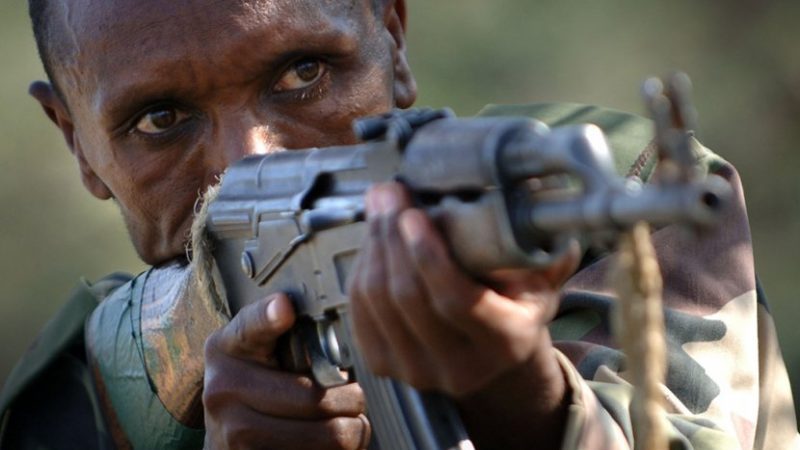
The Council on Foreign Relations updated its Global Conflict Tracker with new details on the conflict in Ethiopia. Fighting in the country continues to threaten peace across the Horn of Africa. International observers are keeping a close watch on the situation as it develops.
What is happening with the conflict in Ethiopia?
The Council on Foreign Relations tracks major disputes around the world to show where violence is breaking out. Their tracker monitors the fighting inside the country and checks how bad the crisis is. Outside experts use this tracker to see if the violence is getting worse or slowing down.
Peace remains hard to find in the country. The tracker highlights ongoing unrest that connects back to the broader Ethiopian civil conflict that has affected thousands of families. Many communities still face severe shortages of basic goods because supply routes remain broken.
Why does this global tracker matter for ordinary people?
When fighting continues, regular people suffer the most. Families often have to leave their homes, schools close, and food prices shoot up quickly. Without stability, shops cannot stay open and aid groups struggle to bring medicine to those who need it.
Here are a few ways the unrest changes daily life for locals:
- Farms cannot grow enough food when fields become battle areas.
- Roads shut down and keep aid trucks from reaching rural towns.
- Neighbors get separated as families run toward safer zones.
This tracking helps world leaders understand the true cost paid by ordinary citizens. It puts pressure on leaders to send help and work toward lasting peace.
What came before this current wave of unrest?
The region has seen repeated cycles of violence over many decades. Disagreements between different groups and regional governments have caused deep divisions. These historical tensions make it hard for political leaders to build trust and find common ground.
Border disputes and regional tensions have also created trouble in the past, including the long-running Eritrean, Ethiopian border conflict that took many lives years ago. These older disagreements still cast a shadow over present talks. Without fixing the root causes, old arguments flare up again and push leaders back toward fighting.
What should the world watch next in Ethiopia?
Observers will monitor whether local leaders agree to hold fresh peace talks. If both sides agree to sit down, the violence could slow down quickly. If they walk away from talks, the suffering will likely spread into neighboring countries.
Foreign diplomats and global organizations will also watch the flow of humanitarian aid. Getting food, clean water, and medicine to safe shelters is the top goal for aid workers right now. The updates from global trackers will show if those aid efforts can succeed in the weeks ahead.
Comments
Post a Comment