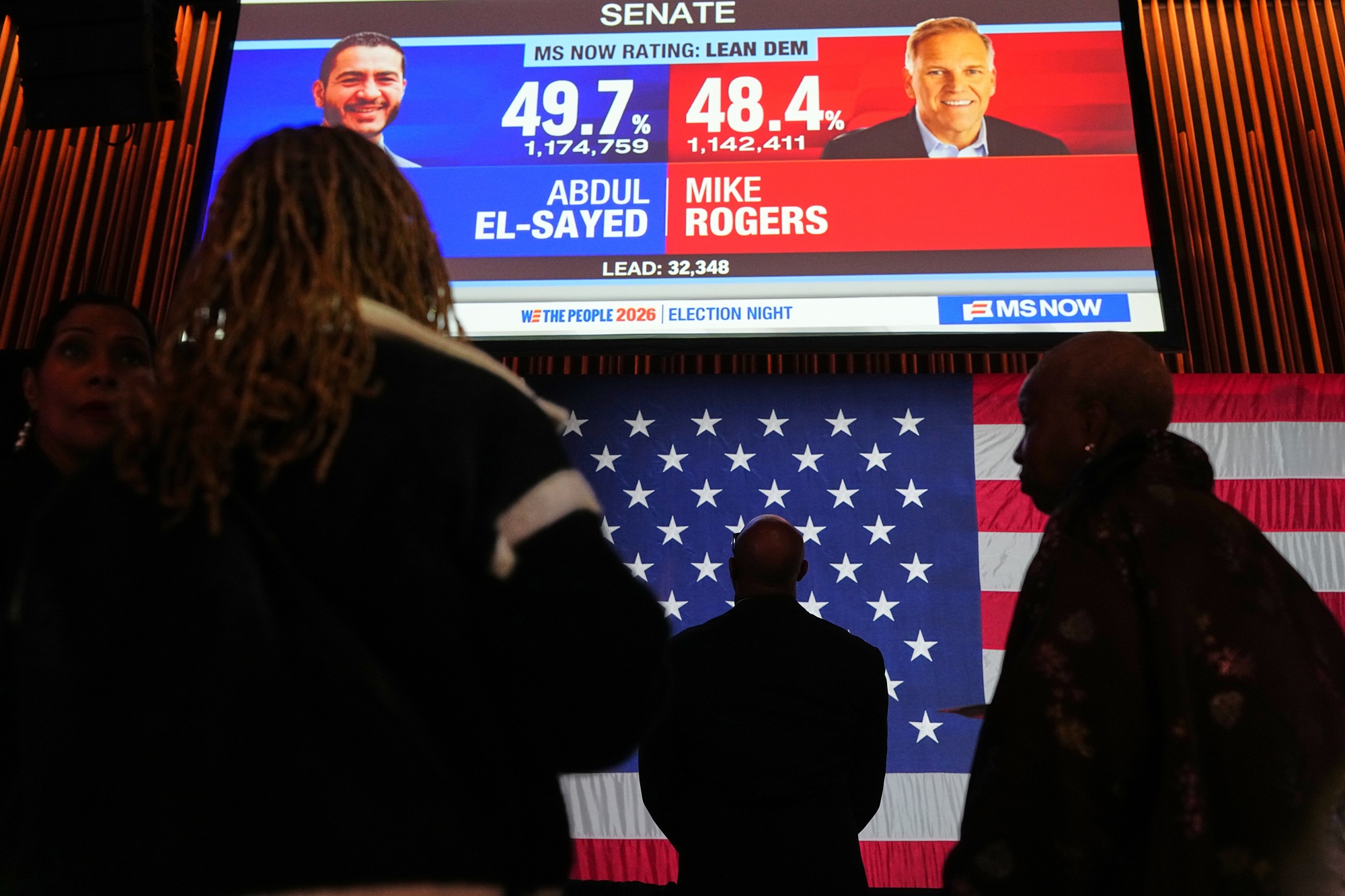
Voters across the nation are facing a huge question about how to handle a divided government. NBC News looked into how people might react when different political parties control Congress and the White House. This fresh report from the Politics Desk shows why split power matters to every family today.
What is a divided government?
A divided government happens when one political party wins the presidency, but another party wins control of the Senate or the House. When this occurs, no single party holds all the power in Washington. Leaders must talk to each other to write laws, pass bills, and run the country.
Sometimes, split power stops major laws from passing at all. Other times, it forces both sides to make deals so the government can keep working. Many citizens like this balance because it stops one party from making big changes too fast. If you want to know more about how people choose their leaders without joining a party, you can learn about an Independent voter and how they cast their ballots.
How voters respond to divided government in major elections
People react to split power in several clear ways during election years. Some citizens get very angry when their favorite party cannot pass new rules on its own. Other citizens feel safer knowing that both major political parties must sign off on new spending plans and big policy decisions.
- Voters can reward politicians who make fair deals with the other side.
- Voters can punish leaders who create gridlock and block good laws.
- Voters often use midterms to check the power of the sitting president.
- Voters rely on nonpartisan groups like the League of Women Voters to stay informed on split elections.
Why split power in Washington matters for your daily life
When the government is split, it changes how your tax dollars get spent each year. It can delay help for schools, roads, and local health programs when leaders fight over the budget. On the other hand, it stops sudden tax jumps or wild rule shifts that might hurt your wallet.
In the coming months, voters will show what they think about split control at the voting booth. If voters do not like the fighting in Congress, they can cast their ballots to give one party total control. But if they prefer safety and compromise, they will keep the government divided for years to come.
Comments
Post a Comment