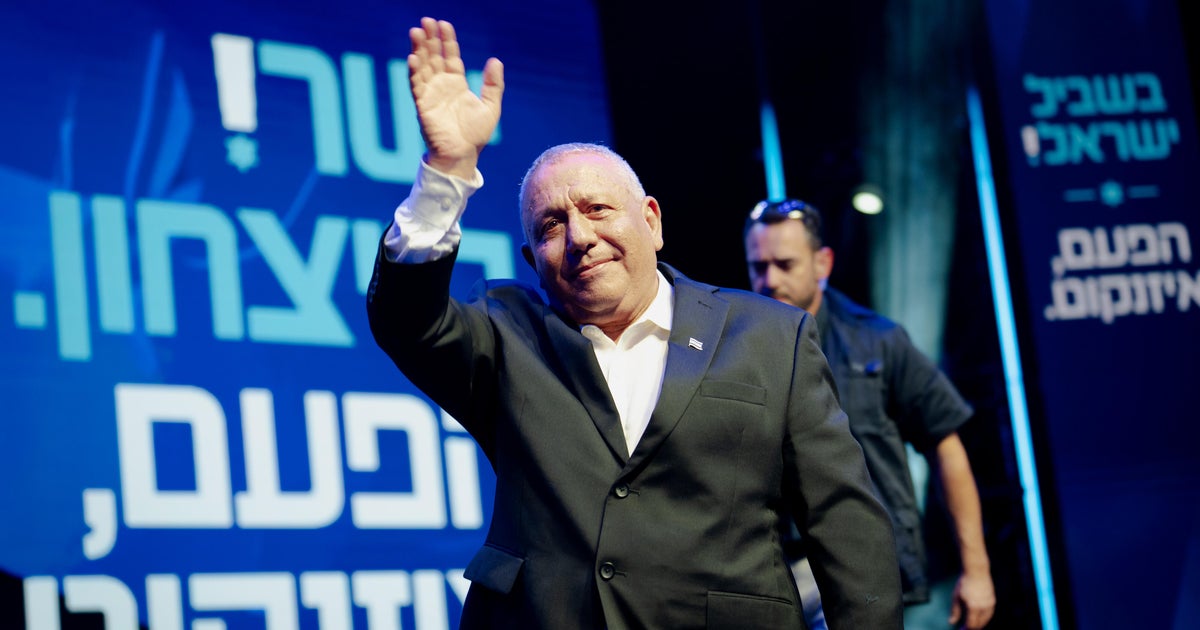
Israel's president has officially asked Benjamin Netanyahu's main political rival to form a new government. This decision marks a massive turn in the country's leadership battle. NPR reported the news six days ago as leaders work to build a fresh ruling team.
What does the president's new decision mean for Israel?
The president of Israel holds the power to pick a leader to build a ruling group when elections end. By choosing a rival of Netanyahu, the president is giving someone else the first shot at gathering enough support. Building a government takes work because a leader needs a majority of lawmakers on their side.
This big step shows that Netanyahu does not have full control over the process right now. His rival now gets a set amount of time to talk with other political groups. If the rival can get enough lawmakers to agree, a legal ruling team will take office soon. If the rival fails, the country might face more political trouble.
Why are people following this big political story today?
Benjamin Netanyahu has been a huge figure in the politics of Israel for many years. Seeing the president choose his rival is a major event that surprises many voters. Ordinary people want to know if their country will get a stable leadership group or face more debates.
People care about who runs the nation because government choices affect daily life, safety, and money. A new group in power could change how the country works with other nations and how it spends public funds. Changes in leadership can also lead to new laws that touch the lives of everyday citizens. You can read more about past leadership groups in the Thirty-eighth government of Israel records.
How does a rival build a working ruling government?
Building a new political team requires picking members from different political parties to work together. The chosen rival must meet with leaders from small and big groups to make deals. They need to find common ground on public issues, safety, and the national budget.
Here are the key steps the new leader must take next:
- Talk with leaders from different political parties to win their votes.
- Agree on a shared plan for how to run the nation's key services.
- Present the final list of leaders to lawmakers for an official vote.
If the rival gets enough votes, the new group takes charge right away. If parties refuse to join, the deal falls apart and the president must make another choice. Earlier attempts to build stable teams can be seen in the history of the Thirty-fifth government of Israel.
What happens next in this national leadership fight?
The next few weeks will be filled with intense talks behind closed doors. Netanyahu and his team will try to keep their own power while the rival works to seal a deal. Every vote from every lawmaker will matter a lot in the final count.
Voters and news teams around the world are watching every move closely. If the rival succeeds, it will end an era of leadership and start a fresh chapter for the nation. If the plan fails, the country may have to hold another vote or try a new leader once again.
Comments
Post a Comment